Reducing Costs & Risks: Strategic Sourcing of Stainless Steel Brewing Tanks from India
The Challenge
A company in North America which produces beverage processing equipment previously depended on Chinese manufacturers for their stainless steel fermentation tanks and brewing vessels. The heavy fermentation tanks and brewing vessels used in small-scale production combined with the high logistics costs. The combination of U.S. tariffs and the high Chinese stainless steel equipment costs led to unaffordable total landed costs which exceeded sustainable levels. The client encountered difficulties when looking for non-Chinese suppliers since they needed vendors who could perform hygienic welding and mirror polishing and provide ASME pressure certification.
Potential Consequences if Unresolved:
Chinese steel suppliers present financial risks to companies because of price fluctuations, while potential damage to brand reputation stems from sourcing in China and operational delays result from port congestion and customs clearance problems. The consequence could be delivery delays of equipment essential for installation, project setbacks and missed opportunities to secure valuable brewery installation contracts.
The Solution

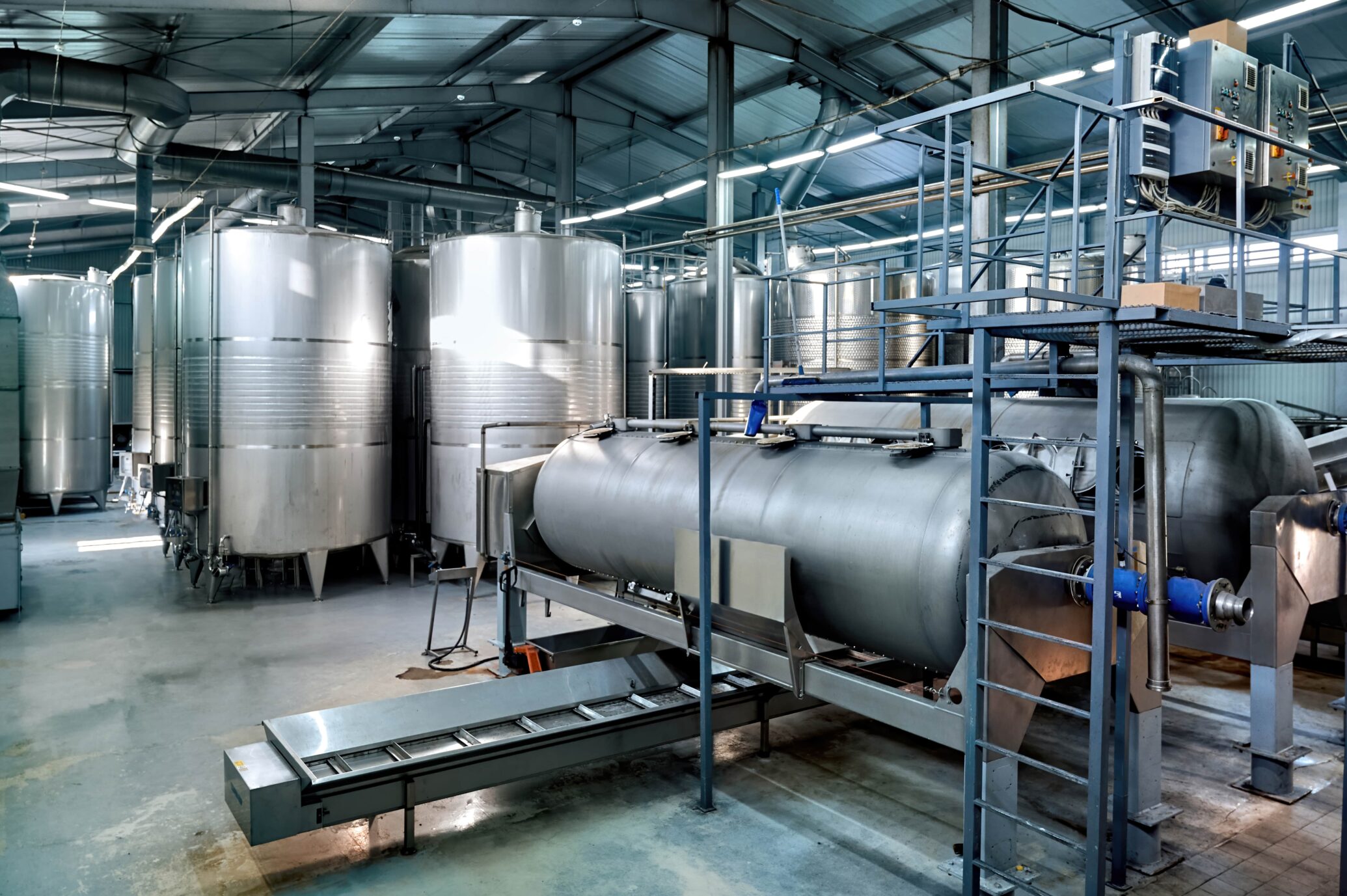
A reputable Indian stainless-steel tank fabricator with extensive experience in creating food-grade and pharmaceutical-grade process vessels was recommended to the client by GetAhead because this supplier already served European and Middle Eastern customers.
GetAhead’s Solution Included:
1. Specification Matching: Aligned Indian supplier capabilities with customer requirements for sanitary tank fabrication, including polished welds, CIP port integration, and pressure-tested vessels.
2. Factory Qualification: The company conducted quality inspections at manufacturing plants to assess weld seam quality and radiographic testing as well as export-grade packaging requirements for international shipping.
3. Steel Traceability: The company verified Indian stainless steel mill certificates to confirm material specifications and maintain documentation accuracy.
4.Logistics Optimization: The company developed a plan to send cost-effective flat-rack and LCL shipments through anti-corrosion packaging to lower sea freight expenses and decrease transit-related damage.
Results
Tariff Elimination: Shifted production out of China to dodge Section 301 tariffs.
Cost Savings: Saved about 30–35% on tank assemblies.
Market Expansion: The client can now confidently quote bigger installations with better profits.